Home / Turnkey Plants / Biodiesel Plants

Biodiesel Production Plants for Vegetable Oils, Animal Fats and Used Cooking Oil

Custom-engineered biodiesel plants that convert vegetable oils, animal fats and waste cooking oils into high-purity biodiesel and valuable glycerin.

Biodiesel Plant

A biodiesel plant is a facility that converts renewable feedstocks such as vegetable oils, animal fats and waste cooking oils into biodiesel: a cleaner-burning, renewable alternative to petroleum diesel. AtomMek engineers and manufactures custom biodiesel production plants designed for efficiency, product quality and cost-effectiveness.

Biodiesel is renewable and sustainable, compatible with existing diesel engines, reduces the carbon footprint and harmful emissions, and lowers dependence on fossil fuels. For fuel distributors, oil processors and waste oil collectors, it is a practical route to fuel diversification.

We deliver plants ranging from small-scale processors to large industrial units, as turnkey solutions or customised designs.

  • Flexible design for multiple feedstocks
  • Fully automated systems with PLC control
  • Reduced methanol and catalyst consumption
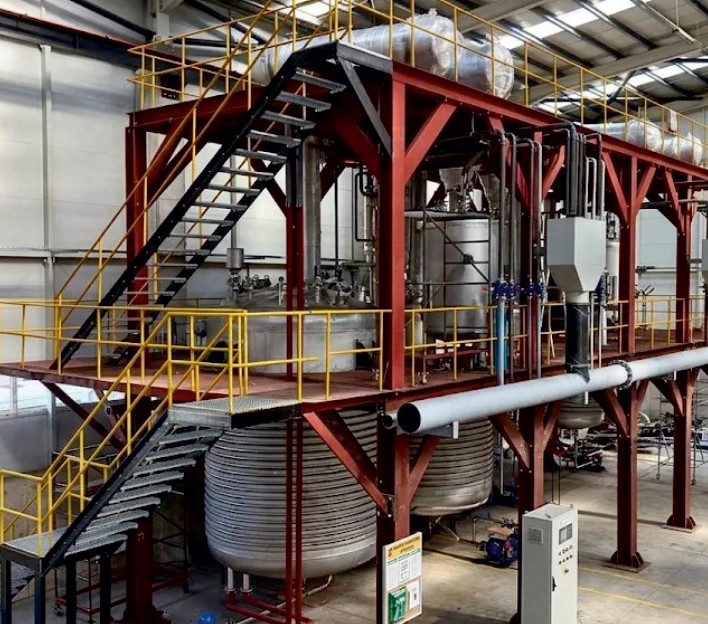
AtomMek biodiesel plant

Main Process Units

Each unit is engineered for high conversion, low losses and stable operation.

Pre-Treatment

Degumming, bleaching, glycerolysis and deacidification prepare the feedstock and ensure high-quality input to the reactor.

Transesterification

Oils and fats react with methanol and a NaOH or KOH catalyst, achieving high conversion with more than 98% ester content.

Methanol Recovery

Excess methanol is recovered at 99.5% purity and returned to the process, reducing operating costs.

FAME Distillation

Vacuum distillation purifies the methyl esters so that the final biodiesel contains a minimum of 99.5% ester content.

How Biodiesel Is Produced

Biodiesel production is based on transesterification, which yields two products: biodiesel (fatty acid methyl esters, FAME) and glycerin.

  1. 01

    Feedstock Reception

    Vegetable oils, animal fats or used cooking oil are received, stored and analysed for acidity and impurities.

  2. 02

    Pre-Treatment

    Degumming, bleaching, glycerolysis and deacidification remove gums, colour bodies and free fatty acids.

  3. 03

    Reaction

    The oil is reacted with methanol in the presence of a NaOH or KOH catalyst in agitated, temperature-controlled reactors.

  4. 04

    Separation

    Glycerin is separated from the ester phase; excess methanol is recovered and recycled.

  5. 05

    Purification & Storage

    FAME distillation delivers finished biodiesel, while glycerin is collected as a by-product for pharmaceuticals and cosmetics.

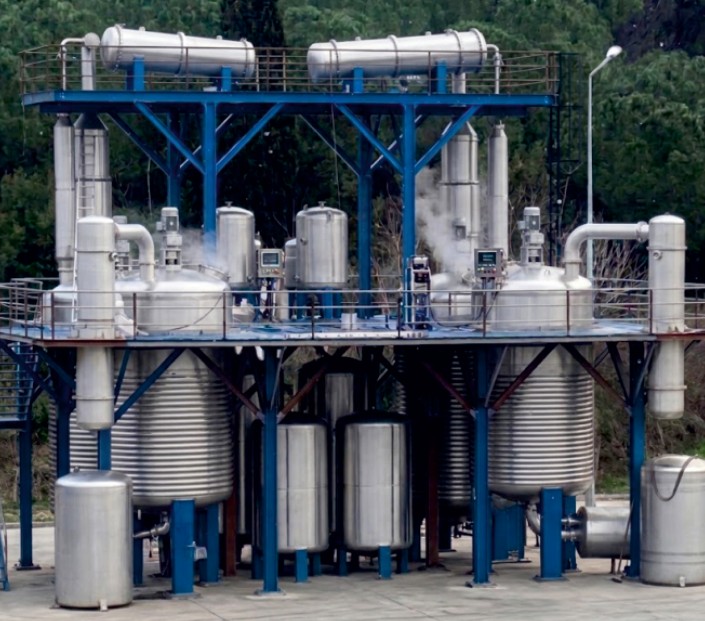
AtomMek turnkey process plant

Engineered for Low-Grade and High-Grade Feedstocks

Feedstock flexibility decides the economics of a biodiesel plant. AtomMek designs plants that handle low-grade feedstocks such as used cooking oil, acid oils, spent earth oil and animal fats, as well as high-grade oils including refined palm, soybean, sunflower and canola oil.

Our scope covers process design, reactors, columns, heat exchangers, tanks, piping, PLC automation, installation and commissioning. Pressure equipment and hazardous-area components are designed to EN 13445, ASME, CE and ATEX requirements as needed for methanol handling, and operators are trained at start-up.

  • Pre-treatment sized to feedstock acidity
  • Energy-efficient heat integration
  • Operator training at commissioning

Products and Blends

Biodiesel is distributed by truck, train or barge and blended with fossil diesel.

  • B100: 100% biodiesel
  • B20: 20% biodiesel and 80% diesel
  • B5 and B2: lower blends meeting emission standards
  • Fatty acid methyl esters (FAME)
  • Glycerin for pharmaceutical and cosmetic use
  • Recovered methanol for reuse

Process Highlights

Performance figures for the main process stages.

Stage Result
Transesterification More than 98% ester content
Methanol recovery 99.5% purity, recovered for reuse
FAME distillation Minimum 99.5% ester content in final biodiesel
Catalyst NaOH or KOH

Frequently Asked Questions

Short answers to the questions our engineers hear most often.

Low-grade feedstocks such as used cooking oil, acid oils, spent earth oil and animal fats, and high-grade oils such as refined palm, soybean, sunflower and canola oil.

The reaction of fats and oils with an alcohol, typically methanol, in the presence of a catalyst such as NaOH or KOH. It produces fatty acid methyl esters (biodiesel) and glycerin.

Cost varies with capacity, feedstock type, location and automation level. We prepare a tailored quotation after an engineering consultation.

Glycerin is separated and collected as a valuable by-product used in pharmaceuticals and cosmetics, improving the overall economics of the plant.

Yes. Methanol recovery and purification can use units such as our thin film evaporator and other process equipment.

Build Your Biodiesel Plant

Share your feedstock type and target capacity, and our engineers will prepare a tailored biodiesel plant proposal.